
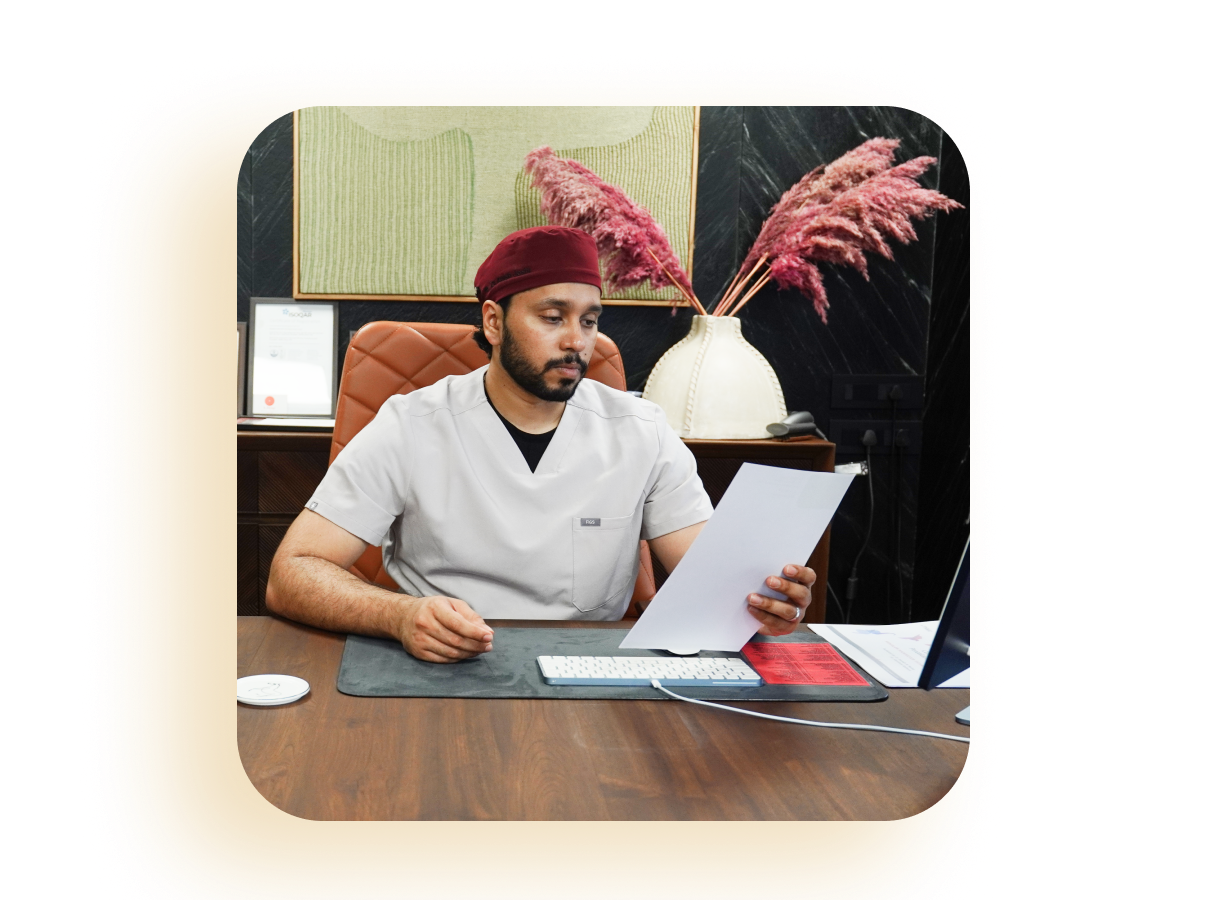
Bariatric and upper GI surgery is not just a procedure, it is a process of adaptation.
The body, digestion, appetite signals, and even self-image change gradually. Structured nutrition, gentle recovery, and emotional support are what convert a technically successful surgery into a life-changing outcome.
Let’s explore what patients can realistically expect before and after surgery, step by step.
The pre-surgery diet is designed to prepare the body for safe surgery, not to cause rapid weight loss.
Specific plans are individualized based on:
Before surgery, patients undergo structured evaluation to ensure safety.
Preparation reduces stress, both for the patient and the surgical team.
This phase allows the stomach and surgical connections to heal safely.
Temporary fatigue or taste changes are normal during this phase.
As healing progresses, texture (not quantity) is reintroduced.
This phase retrains eating behavior and satiety awareness.
By this stage, patients return to a structured, balanced diet, not unrestricted eating.
Food tolerance varies between individuals. Comparison with others is discouraged.
Because intake is reduced (and in some procedures absorption changes), vitamin supplementation is essential.
Regular monitoring prevents long-term deficiencies.

Movement is encouraged early, not bed rest.
Weight loss surgery changes the body faster than the mind can always adapt.
Mental well-being is treated as part of recovery, not an afterthought.
Recovery is not about perfection. It is about consistency, patience, and support.
Every phase is temporary and every change is gradual. You are not expected to manage it alone.
If you have questions about diet, recovery, or emotional support, feel free to reach out.
Clear guidance reduces fear, and clarity leads to confidence.


Speak to Dr. Anish Joshi's team and get personalised guidance today.


